
Finding Who Owns a Carbon County Property
With a street address in hand, the cleanest path runs from address to parcel. Then it moves to owner name, and finally to a deed check. Carbon County's public Property Search accepts an address, a parcel number, or an owner name. Locate the PropertyAddress row and copy the parcel number. The assessor result shows Name and Name2 fields for the owner. Next, confirm the grantee on the newest recorded deed. Working the other direction, start from a known name. Review every parcel result rather than settling on the first match. Before trusting the roll, make the name-to-deed comparison. That habit answers who owns a Carbon County parcel with far more confidence.
- Search the known address or owner in the county Property Search.
- Match PropertyAddress and the full parcel number to the place in question.
- Read Name and Name2, then compare the latest grantee in the Recorder's index.
- If a company name appears, check the Utah business filing separately.
- Use the mailing address only as the tax correspondence field shown by the county.
Who Owns a Carbon County Parcel? Follow the Record Trail
Think of the trail in three steps. The Assessor's property result is the practical entry point for the owner of record. The Recorder's deed index documents the transfer instrument behind that entry. A GIS map then matches the parcel to its location on the ground. A business registry can clarify an LLC's legal name. But that is a separate state filing system. None of these sources alone shows who lives at the property. Nor do they guarantee that every title interest is clear.
| Source | Owner Info It Gives | Access |
|---|---|---|
| Assessor roll | Name, Name2, and the mailing and situs fields. | County Property Search. |
| Recorder | Grantor, grantee, and the recorded instrument. | Public index inspection or copy request. |
| Utah business filings | Entity filing information for a company name. | State Corporations entry point. |
| GIS parcel layer | Parcel and ownership map context. | County GIS Explorer. |
An owner of record is simply the party carried in the public property record. It is not a roster of residents. The mailing address may sit in another state entirely. An LLC, church, trust, or estate can all appear as the owner name. Match the source to the question. Never read a tax-mailing address as proof of occupancy. Two names may appear on a Carbon County parcel. Compare both against the vesting language on the deed.
Limits on a Carbon County Property Owner Lookup
The roll and the deed trail identify recorded ownership. They show every private agreement? No. They cannot confirm current occupancy or certify clear title either. Carbon County itself warns that property information may lag by 24 hours or more. When a sale and the public record seem to clash, ask the Recorder to identify the latest instrument and lean on a title company for a full review. After a closing, weigh the newest deed against the assessor result before deciding who owns a Carbon County property. Use personal information only for lawful property research.
Lawful use. A public owner name is not proof of clear title or occupancy. An entity may hold title, and using property information to harass or intimidate a person is not lawful.
Carbon County Uses Name and Name2 for the Roll
The public property result lists owners in its Name and Name2 fields. Treat them as the county's owner-of-record fields. They are not a census of everyone tied to the parcel. The second field may hold an additional listed name. An entity may appear under its legal filing name. When punctuation, a trust suffix, or a business ending differs between the deed and the assessor row, compare the parcel number and legal description first. Only then decide whether the records truly conflict. A result table also carries an entry number and a tax-information link. These open doors to a recorded-document inquiry or the tax account. Neither replaces the deed itself. The current owner guide walks through the roll fields in more detail.
When a Carbon County Owner Is an LLC or Trust
A limited liability company, church, trust, or estate can hold title in the property record. The deed names the grantee that received the described interest. For company names, Utah's Division of Corporations and Commercial Code is the official filing source. A public filing may not identify every beneficial owner. It does clarify the entity's filed name. That clarification still does not prove the company's title to a particular parcel. The Utah business portal is the official starting point for entity records. Match the entity name on the deed against the county roll from there. When the vesting language stays unclear, the Recorder can help.
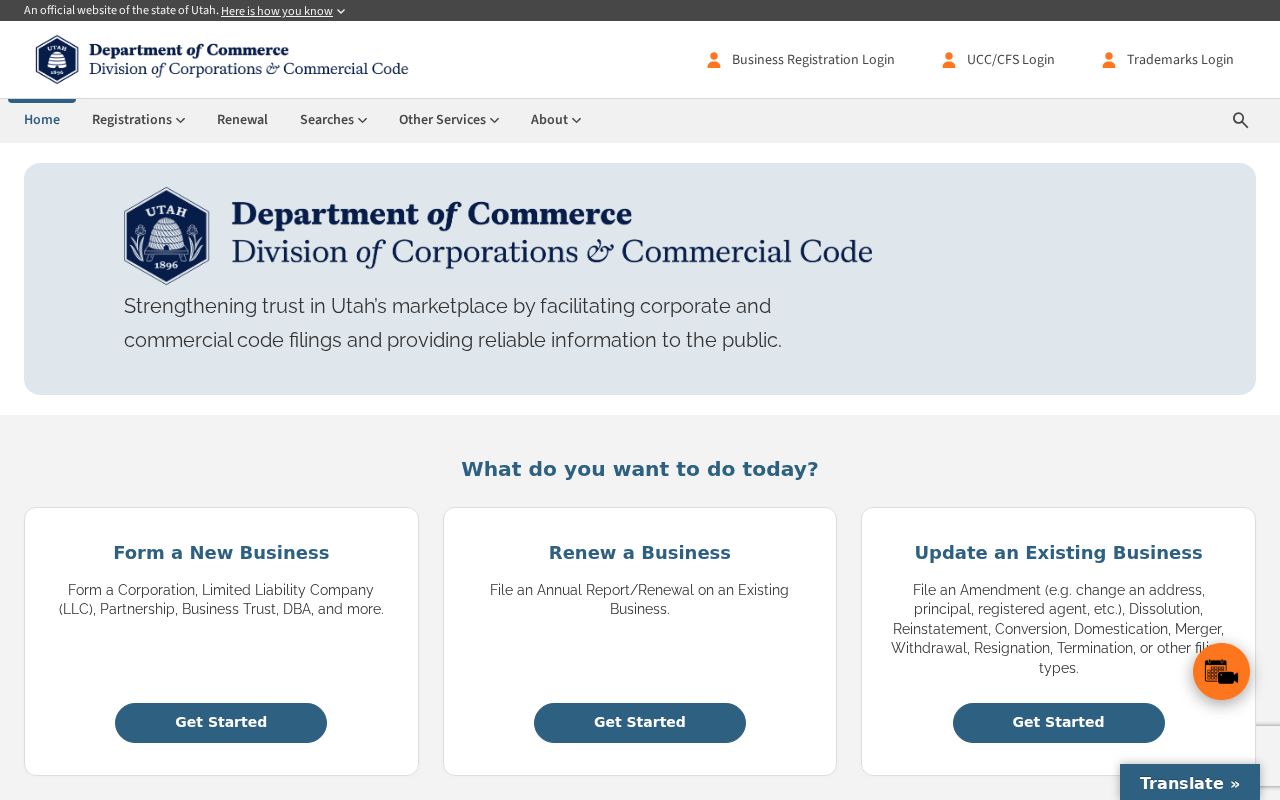
Match the entity name on the deed with the county roll. If the vesting language stays murky, ask the Recorder to sort it out before you draw conclusions about the parcel.
Carbon County Owner Mail Can Point Away from the Property
Carbon's table keeps Add1 and related mailing fields separate from PropertyAddress, PropertyCity, and PropertyZip. A tax notice can go to a different town. It can even go to a different state. That is routine for owners who receive mail elsewhere. The situs city can differ from the postal city too. When incorporation or a boundary line muddies the question, check GIS and city records. Never treat the owner's mailing address as a record of who occupies the land.
This split matters most around Price, Helper, and Wellington. They share one county record system yet carry different municipal histories and permit contacts.
Carbon County's Owner Roll May Trail a New Deed
Carbon County property records can lag. Data may sit a day old or more. No fixed update interval is published. That covers the stretch between a recording and an owner-of-record change. Fields such as ChangeDateTime and ReviewDateTime track record maintenance. They do not show the date a deed took effect. So a new grantee can appear on a recorded instrument. The assessment roll may not catch up right away. Ask the Recorder to pull the latest deed. Then compare its parties, legal description, and recording reference against the current roll. The method confirms ownership rather than promising any set update speed. The deed records page explains how to read the Recorder's document trail.
No Carbon County Property Fraud Alert Was Confirmed
Carbon County publishes no property-fraud alert signup. No deed notification or owner-change email is named either. So do not assume one exists. A property owner who wants notice of a filing should ask the Recorder directly whether the office offers an alert and how it works. Keep that inquiry separate from a title search. A notification service, if one existed, would flag activity rather than certify the legal effect of a transfer. An unfamiliar record deserves a closer look. Contact the Recorder through the current official office page and ask how to inspect the source instrument. The index row alone may not settle it.
A Carbon County Tax Deed Is Not a Title Certificate
Under the Treasurer's rules, a property reaches the tax-sale process in its fifth year of delinquency. The sale is framed as buyer beware. A tax deed can join the recorded trail. Even so, Carbon County does not treat a tax deed as a clear-title certificate. Read the deed before relying on it. Have a title professional review the chain. That review should cover any redemption or legal issue that applies to the parcel. Do not confuse the Treasurer's delinquent list with the Assessor's current owner field. The list describes a tax account. The deed records the transfer instrument. The property roll is an assessment record. Each office answers one narrow question.
Carbon County GRAMA Can Reach an Offline Ownership Record
An administrative file may sit outside the public search. It falls to the Clerk/Auditor GRAMA process. Online, in-person, and mail routes are published. The county replies within ten business days. Inspection is free. Copies, scans, or staff time beyond fifteen minutes may cost money. Give the office the parcel number, the record type, and a date range. That lets staff route a narrow request to the custodian.