
The Carbon County Owner-of-Record Fields
Carbon County's public property table names the owner in Name and often adds a second person in Name2. Mailing details sit apart. PropertyAddress, PropertyCity, and PropertyZip identify the situs, while separate fields show where notices go. ChangeDateTime and ReviewDateTime also appear in the row. An entry number and a tax link appear too. But the county calls neither timestamp a deed date, and neither promises an update cycle, so treat them as clues and confirm the current owner with the latest recorded instrument when a recent sale matters.
| Name / Name2 | County owner-of-record name fields. |
|---|---|
| Mailing fields | Address fields used for owner correspondence. |
| PropertyAddress | Situs location carried for the parcel. |
| ChangeDateTime | County result timestamp; not a deed date guarantee. |
| ReviewDateTime | Review timestamp; not a published roll-refresh schedule. |
| Entry number | A reference that may help locate the recorded document. |
The owner field is not an occupant list. The mailing address shows where the county sends notices, which may be a different city or state. A trust, church, or estate can own too. Read the actual vesting form, such as joint tenancy, from the deed rather than the name row.
Confirming a Current Carbon County Owner
A county result identifies a parcel. It should not end the inquiry. The Recorder keeps recorded instruments and cross-reference indexes, though its public pages state no fixed image cutoff or guaranteed update lag. Compare the grantee on the newest deed with the Assessor's Name and Name2 fields. Names often differ after a closing. Ask the Recorder for the newest instrument. Let the Assessor explain the roll entry when the discrepancy persists. The current owner of a Carbon County parcel stands confirmed once the roll and the latest deed agree.
- Read Name and Name2 on the Carbon County Property Search result.
- Copy the parcel number, property address, and entry reference.
- Ask the Recorder to identify the latest deed and compare its grantee and description.
- If the name is an LLC, use Utah business filings to check the entity name separately.
- Owner of record
- The name carried in the assessor's property result.
- Vesting
- The way an instrument describes the grantee's interest.
- Mailing address
- The destination for property correspondence, not the situs.
Using a Carbon County Owner Mailing Address Carefully
A tax-mailing address is a correspondence field. It serves legitimate property matters, such as a question about a boundary or a tax bill. It says nothing about who lives at the situs. It invites no unwanted contact. When the owner is an entity, the public state filing may offer a company contact route, though a filing agent is not the person who owns or occupies the land. Keep record questions with the public custodian. Keep title questions with the Recorder or a title professional.
Lawful use. A mailing address exists for official correspondence and property matters. Do not use an owner name or address to harass, threaten, or intrude on anyone.
The Current Owner May Appear in Carbon County's Name2 Field
Name2 is a second name field. It does not reveal the form of ownership on its own. Two names can sit on the roll. Nothing shows whether the parties hold title jointly, as trustees, or some other way. Read the vesting language on the deed first. A single LLC or trust name discloses even less about the people behind the entity.
For transfer questions, keep the parcel and legal description in view while reading each name. The roll is a summary. The recorded instrument carries the context the roll lacks. When the Carbon County current owner appears with a second name, the deed's vesting language shows how the parties are named together.
Carbon County Owner Records Start with the Parcel Result
A lookup on the county's official property-search page turns an address, parcel number, or owner name into a single parcel result.
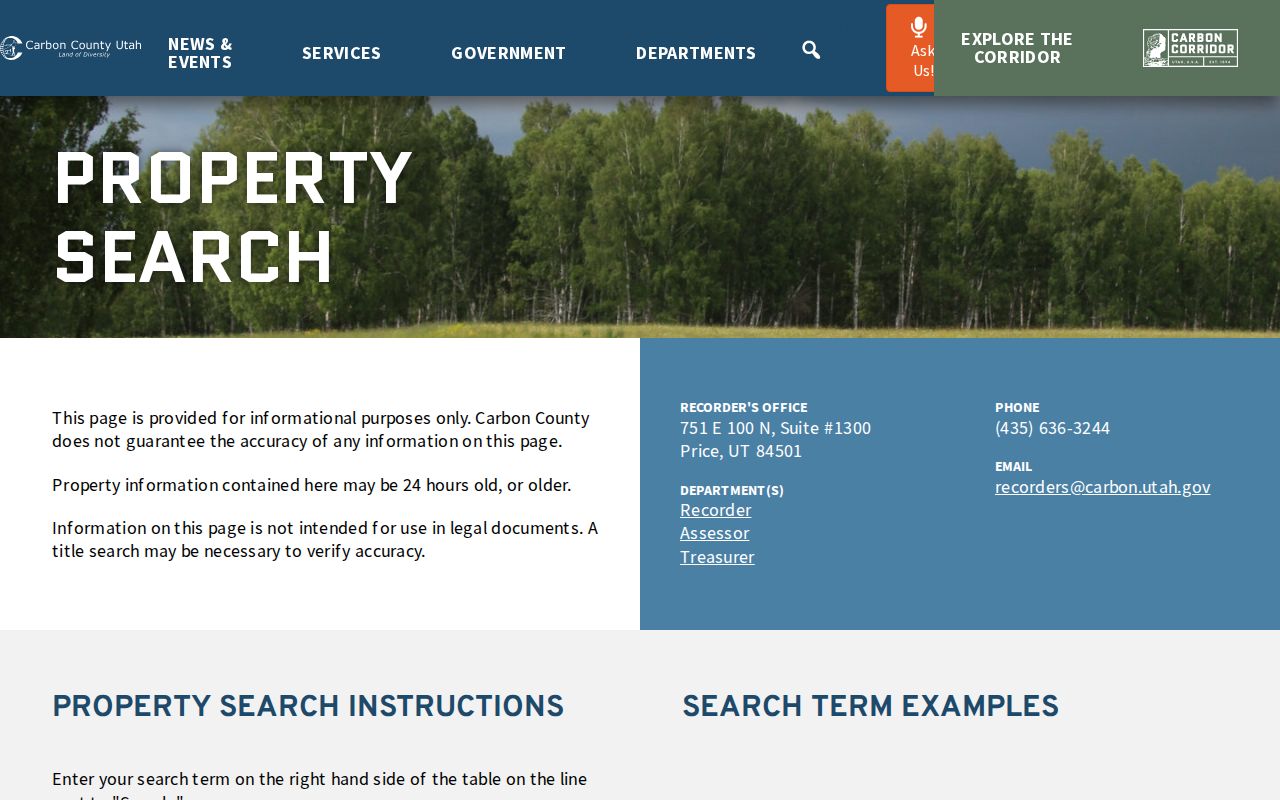
Compare Name, Name2, PropertyAddress, and the mailing fields on the live record. The page displays the portal, not a property.
Carbon County Does Not Publish an Owner Update Interval
The 24-hour warning is only a caution. Carbon County says its data may be that old or older and promises no refresh cycle. ChangeDateTime and ReviewDateTime help compare record maintenance. Neither timestamp marks a closing date, and the county publishes no average lag between recording and an owner's appearance on the roll. Never promise a fixed number of days. A Carbon County current owner search after a recent sale still needs the latest recorded deed.
Compare the roll with the newest deed. Sources sometimes disagree. Ask the Recorder which instrument is newest and the Assessor how the parcel record is maintained.
Carbon County Entity Owners Have a Separate State Filing
When the owner is an LLC or another business, the Utah Division of Corporations is the official entry point for entity filings. The database may confirm the business's filed name. The property deed still conveys the parcel. A state filing does not identify every person behind a company. Treat it as a clue. It is no replacement for the latest deed. Utah Corporations and Commercial Code provides the official business search route.
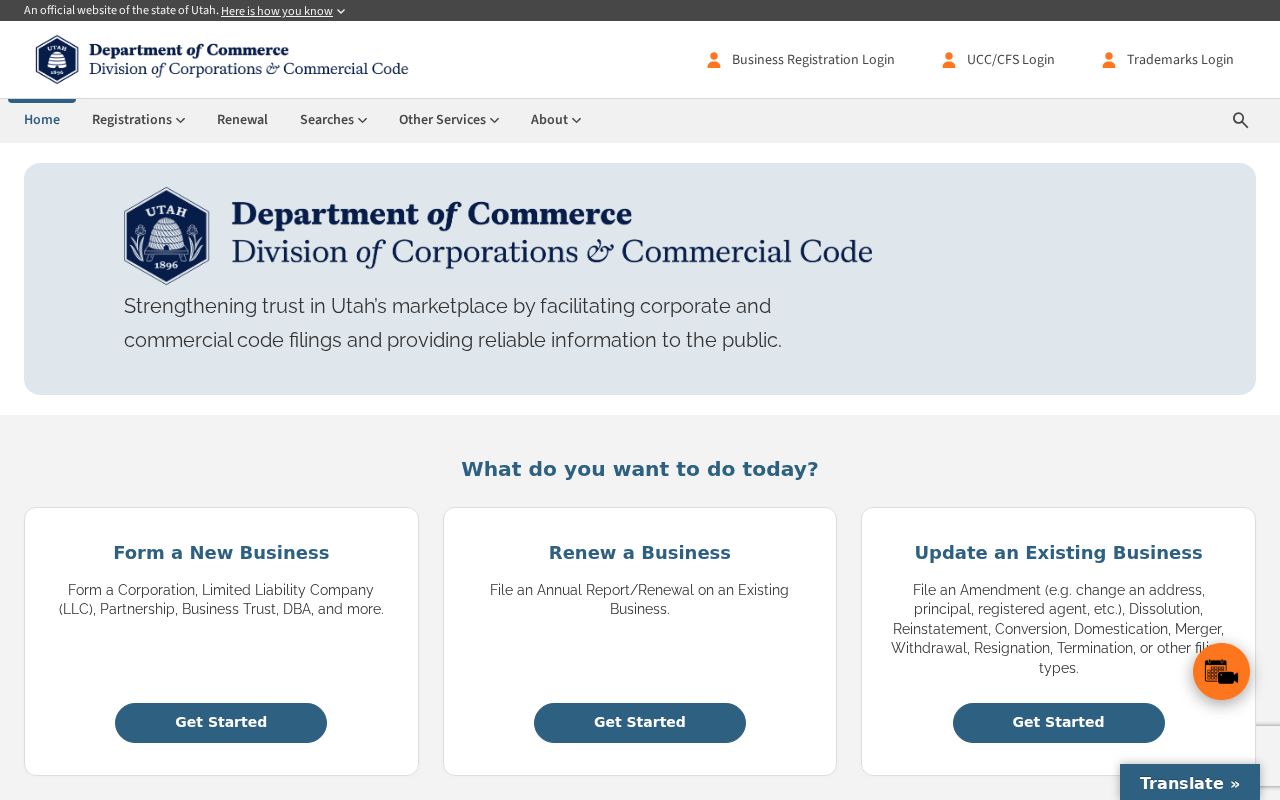
Check that the entity name matches the state filing exactly before trusting a Carbon County deed match.
Estate Transfers May Lead from Carbon County to Court Records
The Carbon County Recorder does not record wills or estate trusts. When an owner dies, the property chain often gains a court step. A probate case may settle who inherits. A deed follows afterward in the deed records. The clerk of court keeps the case file itself. Utah Courts Xchange offers public case information through guest, login, and payment choices. Not every field or document is guaranteed online. The Utah Xchange portal is the public entry point for that case information.
To tie a probate result back to the parcel, match names, dates, and the deed. That deed later appears in the Recorder's property records. That deed is what connects the court record to the parcel number.
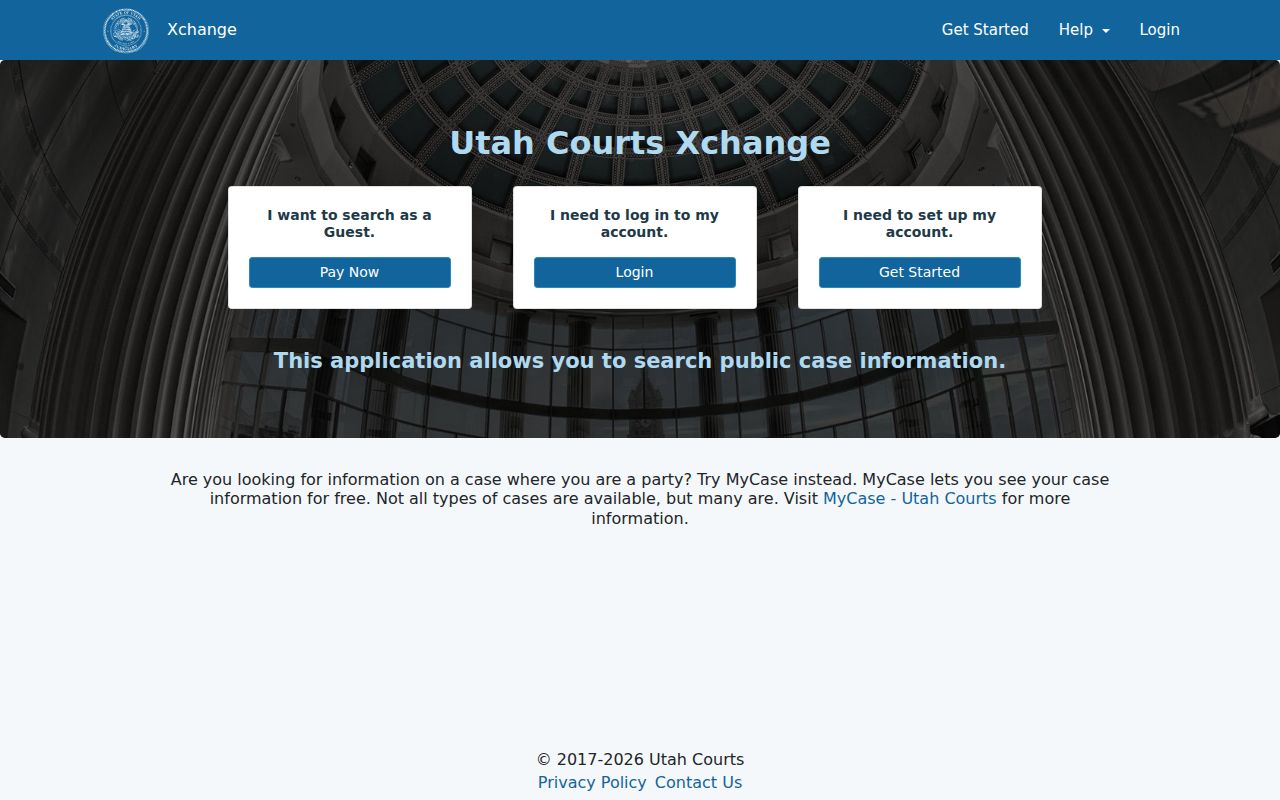
A probate result can explain how a transfer moved through the courts. It does not by itself establish the current owner of record in Carbon County; the recorded deed does that.
Price, Helper, and Wellington Owner Fields Can Name Different Places
Carbon County's result schema keeps the mailing city and ZIP separate. It also separates the property's own city and ZIP. The split matters across Price, Helper, Wellington, and rural stretches of the county. A tax notice mailed to Price does not place the parcel in Price. A Wellington post office address settles nothing about city limits. When a permit or zoning question turns on incorporation, check the city-boundary layer and ask the planning office with jurisdiction.
For all three cities, the countywide assessor result stays the owner-of-record starting point. Local planning files simply add the municipal history on top.