
Tracing Former Carbon County Property Owners
A good timeline treats every conveyance as its own step. Start with the most recent deed. Note the grantor, the grantee, and the book or entry reference. Then carry the legal description back to the prior instrument. The Carbon County Recorder holds deeds, liens, releases, maps, surveys, and plats. These all sit among its property records. It publishes no starting year for online deed images. For past owners of a Carbon County parcel, build a research plan. Fill in dates only from actual recorded instruments, never from guesswork.
| Source | Years It Covers | Where Held | What It Shows |
|---|---|---|---|
| Recorded deed chain | Online start year not published. | Carbon County Recorder. | Grantor, grantee, instrument, and legal description. |
| Office indexes and books | Ask the Recorder for the period held. | Recorder office. | Older transfers when web results stop. |
| Recorded plats and surveys | Varies by subdivision and instrument. | Recorder; GIS for map context. | Lot, block, dimensions, and legal layout. |
| Local history sources | Collection-specific. | Utah library and local archives. | Community names and background, not title. |
Recent transfers usually appear in the county result with a Recorder reference. Older land asks a different question. Ask which deed books, film, or scans the office still holds. The county confirms no cutoff year or microfilm inventory. Historic plats can tie a changed street description to a lot, and library history adds context, though neither replaces the deed itself.
Reading the Carbon County Chain Backward
Read the chain backward by matching parties to descriptions. A grantee in one deed often becomes the grantor in the next Carbon County transfer. Names vary. Estates and entities can interrupt the pattern. Confirm every handoff with the parcel number, legal description, date, and Recorder entry before trusting the link.
- Locate the latest recorded deed and note its grantee, grantor, and description.
- Search the earlier party in the Recorder index and find the deed by which they acquired the parcel.
- Compare the description and parcel references to confirm the same land is being followed.
- When online results stop, ask the Recorder about the office index and older materials.
- Grantor / grantee
- Parties who convey and receive the described interest.
- Chain of title
- The ordered sequence of recorded transfers for the land.
- Legal description
- The parcel description used to check continuity across old records.
How Far Back Carbon County Ownership Records Reach
The county publishes no earliest online index year. That limit says nothing about the true start of Carbon County deed records. It does not prove a records loss either. Ask the Recorder where the web index stops. Older paper indexes, deed books, microfilm, and scans may still sit in the office. When the chain ends at an original federal patent instead of a prior deed, federal land records become the next lead.
Coverage gap. Carbon County has not published an online start year or image cutoff in the reviewed sources. Ask the Recorder which older index or book can continue the chain, and use past ownership information only for lawful property research.
No Published Online Deed Cutoff for Former Owners in Carbon County
The Recorder's public page says selected records are online. It gives no earliest deed-index year and no imaging start date. So former owners cannot be traced to a defensible online endpoint from web material alone. When results stop, ask the Recorder directly. A separate grantor-grantee book may cover the earlier transfer. It could also be a deed volume, microfilm reel, or scanned image. Record the answer as an office coverage note. Never assume the chain ends at the last web hit.
For the transfer method itself, see the Carbon County deed guide. It distinguishes recorded copies and instruments from a full chain-of-title review.
Former Carbon County Owners Must Match the Land Description
Names get shortened, reordered, or moved into a trust. A name-only search may land on the wrong parcel. Use the legal description to test every link. A deed may cite lot and block after a subdivision, while an older transfer describes the land by metes and bounds or by a former place name. Do not expect today's street address to appear on an older Carbon County deed unchanged.
Keep an evidence table for each transfer. List the date, grantor, grantee, document type, entry number, and description. Leave a cell blank when the instrument lacks a fact. Filling blanks from guesswork weakens the whole property records chain.
Carbon County Plats Can Bridge an Address Change
A recorded subdivision plat can explain big changes. It shows how a broad tract became a named lot and block. The Carbon County Recorder holds maps, surveys, and plats alongside its deed records. GIS layers and historic aerials can then help. They can place the plat's streets and old structures in today's landscape. Old addresses get renumbered. A company-town road may not match today's grid.
Treat the aerial and GIS layers as visual context only. The plat and its citing instrument govern lot identity. If a record hints at a boundary change, look for the recorded amendment or survey. Never accept a redrawn viewer in place of the filed survey. A modern map is never the update itself.
Probate Can Explain a Break in Former Owner Names
Wills and estate trusts are not recorded in the Recorder's office. An estate transfer may need a court file first. Only a later deed supplies the next grantee. Utah Courts Xchange offers public case information. It has guest, login, and payment options. Not every case type or field appears there. If the probate material you need is missing, contact the clerk.
The Xchange portal is a case-record route, not a property title index.
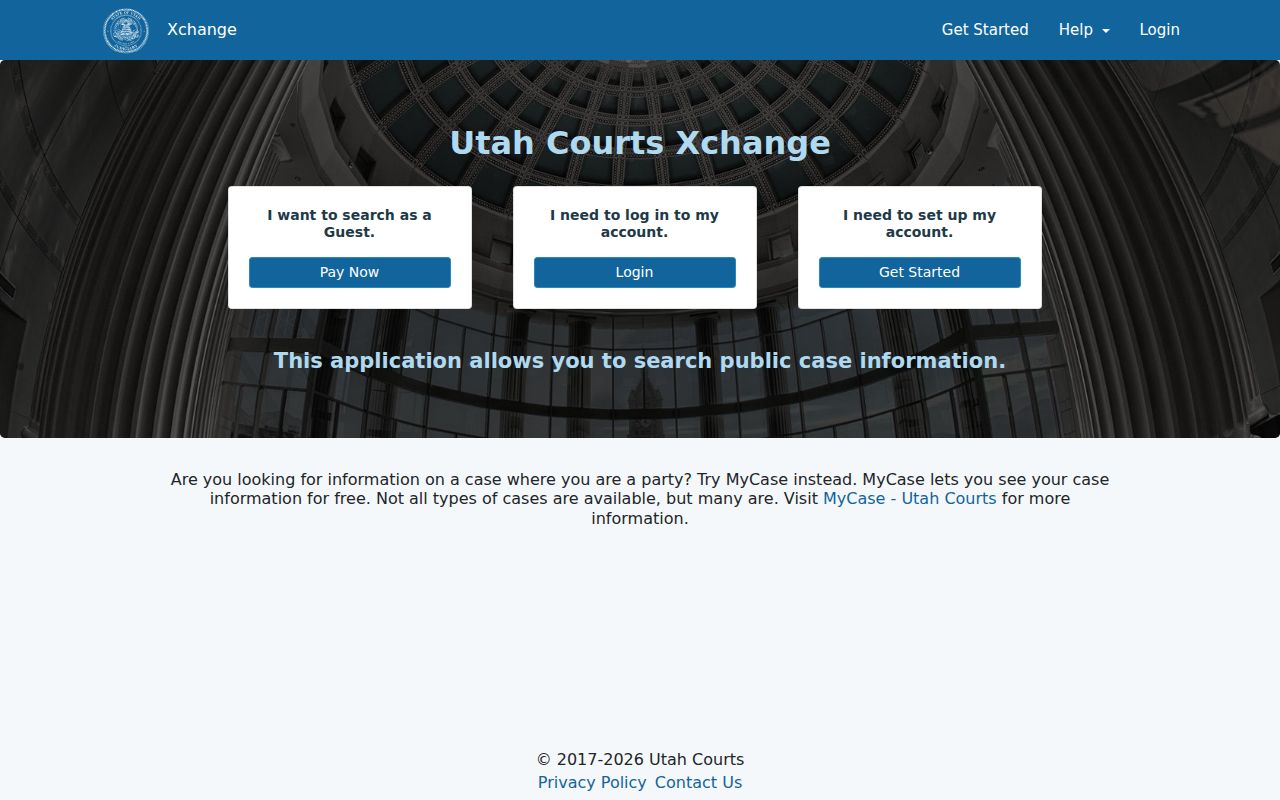
Match names, dates, and the later deed's legal description.
Carbon County Coal Town Names Can Surface in Old Deeds
Carbon County split from Emery County in 1894. Rail lines and coal work pulled settlers into new camps. Helper grew into one of those camps. Its famous story speaks to the immigrant communities the mines attracted. Old deed records sometimes carry traces of that era. A company name, a street that no longer exists, or an outdated town label can point you toward a historic plat or an archive entry.
The label alone proves nothing. Only the recorded instrument can connect a name to an actual conveyance or owner of record. The Utah Online Public Library Carbon County collection gathers local history and geography resources for the county.
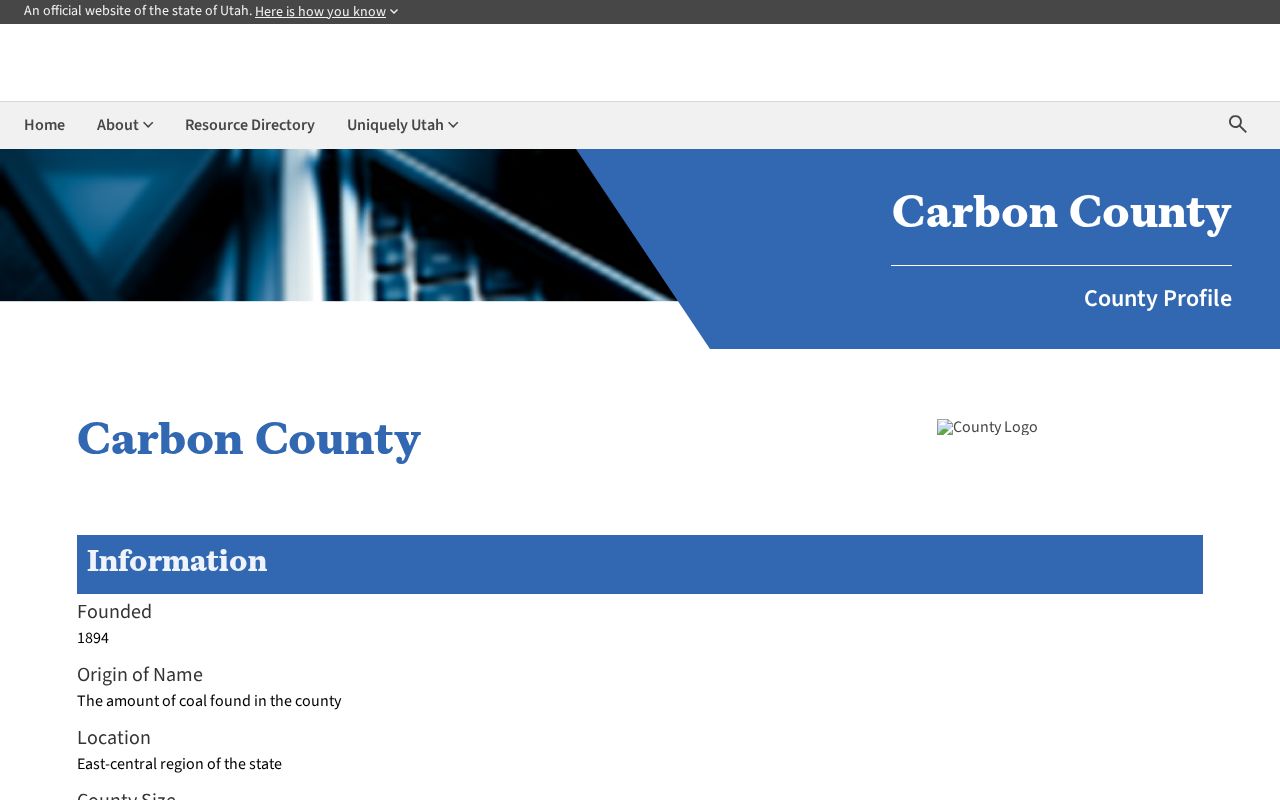
Mine local history for search terms. Then confirm each one against a deed, plat, or archive catalog.
A Carbon County Owner Chain Is Not a Title Opinion
A careful list of Carbon County former owners is still just a research trail. It cannot promise that every interest in the parcel has surfaced. The Recorder states plainly that staff do not perform comprehensive title searches. A title professional examines the full chain. The professional also reviews the liens, easements, and other matters a routine parcel lookup can miss. So use the deed sequence for house history or early due diligence. For a purchase, loan, inheritance, or dispute, get a formal title review.
Keep prior owner research on the property and its records. Never use names or old addresses to target living people.